

Tennis Match Change Over Thunderstorm Weather Court Pause in UK
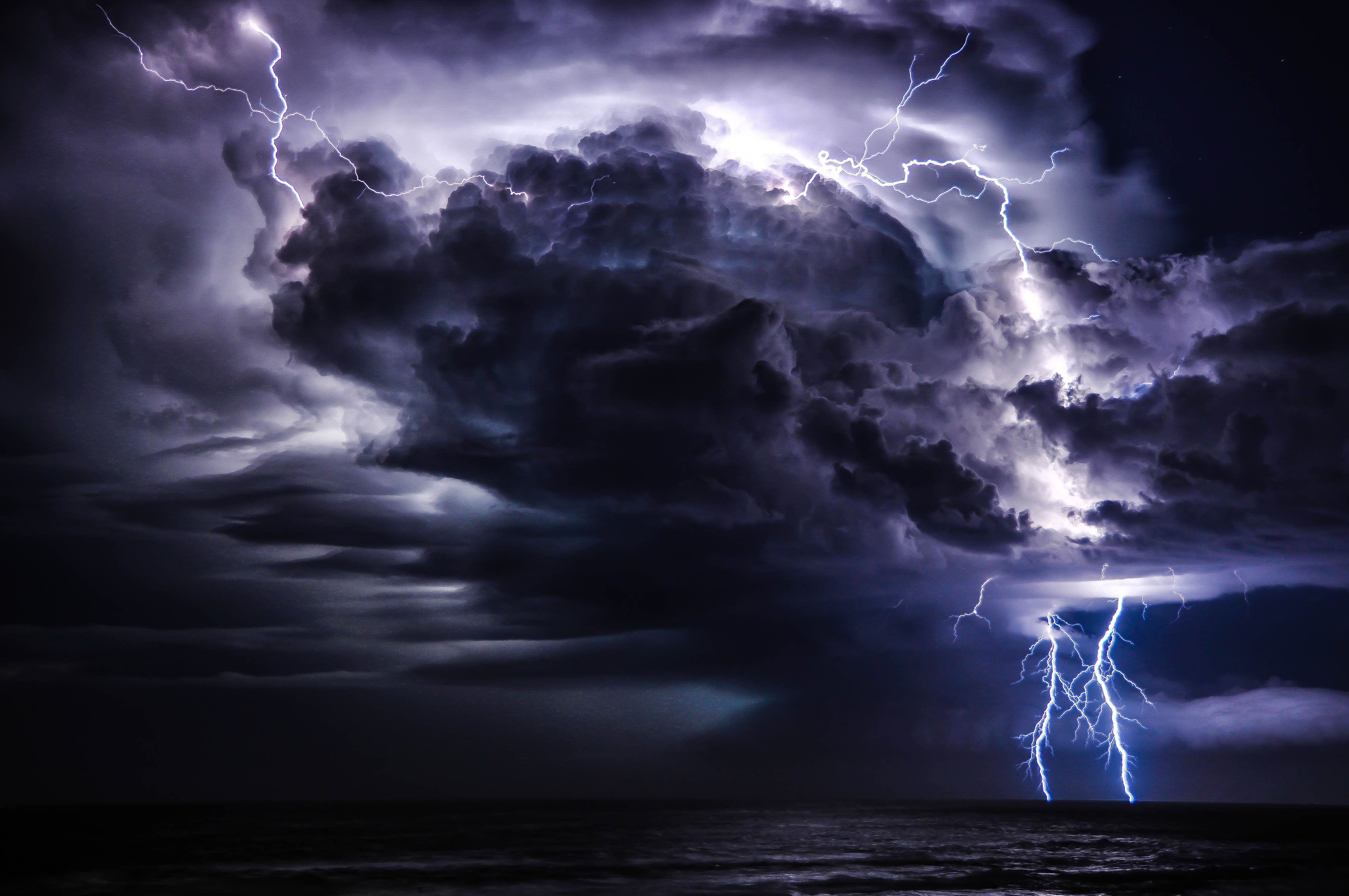
During a recent racket game in the UK, a sudden thunderstorm weather interrupted play, highlighting the weaknesses of open-air sports. You might wonder how such weather events impact athletes and spectators alike. When fields are abruptly closed, the impact goes beyond just the game. Safety measures are activated, but what does this mean for the athletes’ psychological state? As you consider these elements, it’s valuable exploring the broader consequences for future competitions.
Key Takeaways
- Tennis matches in the UK are immediately halted when thunderstorm is detected to ensure player and spectator safety.
- Authorities observe weather conditions carefully, using tracking systems to issue timely warnings.
- Players and spectators are directed to designated safe locations until an all-clear signal is given.
- Mental impacts of interruptions can cause increased anxiety and disrupted performance patterns for players.
- Advanced climate-control systems are being created to improve reactions to weather disruptions during matches.
Understanding the Impact of Climate on Tennis Matches
As you observe a tennis match, you mightn’t understand just how much the weather can influence the game. Temperature, humidity, and wind situations all have important parts in a player’s gameplay. When it’s hot, athletes can become fatigued rapidly, impacting their concentration and endurance.
On rainy days, the field’s ground can get slick, causing athletes to adjust their steps and strategy. Breeze can alter the trajectory of the ball, rendering services unpredictable. These elements frequently result in surprising changes in flow during the game.
Additionally, cloud cover might alter the ball’s visibility, influencing a player’s ability to evaluate shots accurately. Ultimately, grasping these weather influences can improve your respect for the skill and resilience required to participate at high levels.
Safety Protocols in Place for Lightning Interruptions
Lightning can constitute a significant threat during outdoor tennis matches, prompting strict safety protocols to protect players and spectators. When storms are near, officials monitor weather conditions closely, often using lightning detection systems.
If lightning is spotted within a certain radius, matches are suspended immediately. You’ll hear an audible siren or see flags lifted, signaling everyone to find shelter. Players and spectators must quickly move to designated safe areas, usually sheltered structures or vehicle parking lots.
It’s essential that you stay indoors until an all-clear announcement is made. In these situations, safety is favored over continuing play, so it’s important to follow announcements and guidance from officials to secure everyone’s protection during the storm.
Historical Instances of Weather Disruptions in Tennis
Weather disruptions have long influenced the ibisworld.com world of tennis, with various instances marking the sport’s history.
You might recall the 1987 US Open, where a rainstorm led to significant delays and even changed match schedules.
In Wimbledon 2009, players dealt with similar challenges when a heavy downpour compelled them off the court, showing how weather can significantly shift the momentum of a tournament.
The 2011 Australian Open also saw matches disrupted due to extreme heat, leading to the introduction of heat policies.
Even further back, in 1973, a windy day disrupted a famous match between Billie Jean King and Bobby Riggs, illustrating how unpredictable elements have always had a crucial role in influencing tennis history.
These examples highlight the sport’s persistent en.wikipedia.org struggle with nature.
The Psychological Effects of Disruptions on Players
Disruptions during matches can substantially affect players’ mental states, often leading to anxiety and reduced focus. When you are taken off the court due to a lightning storm, it can disrupt your rhythm. You might commence doubting your performance, considering if you can maintain your competitive edge once play continues.
The uncertainty concerning weather interruptions can increase stress, prompting players to struggle with their concentration and strategy adjustments. Overconsidering and negative self-talk may creep in, further hindering your ability to stay mentally sharp.
To counter these obstacles, you may need to establish routines or techniques to refocus during breaks. Staying positive and imagining successful plays can help reduce the psychological toll of these surprising interruptions.
Future of Weather Management in Competitive Tennis
As tennis evolves, lightningstormcasino.eu, cutting-edge solutions are on the horizon to better manage interruptions caused by unforeseen elements like rain and storms.
You’ll see the adoption of sophisticated weather-monitoring systems that offer real-time updates, allowing tournament organizers to make informed decisions quickly.
Imagine a setting where smart courts can cover themselves independently, minimizing wait times for players and spectators.
Moreover, the incorporation of AI could analyze weather patterns, aiding you schedule matches more effectively.
Sophisticated communication tools can keep you informed, guaranteeing you know precisely when play will resume.
These developments won’t only elevate the spectator experience but also safeguard player performance, ultimately raising the standard of competitive tennis amid shifting weather conditions.
Frequently Asked Questions
What Certain Weather Conditions Trigger a Match Delay?
Severe rain, lightning, powerful winds, and intense heat can cause match pauses. If conditions decline, you’ll observe umpires and officials taking decisions to secure player safety and maintain optimal playing conditions. Remain watchful!
How Is Lightning Observed During a Tennis Match?
During a tennis match, you can track lightning by using advanced weather tracking systems and apps that offer real-time updates, notifying officials about nearby strikes, ensuring safety for players and spectators alike.
Are Players Reimbursed for Weather Delays?
Yes, players generally receive reimbursement for weather delays. Based on the tournament rules, they might get a part of their prize money or an hourly wage during interruptions, securing they’re supported despite unforeseen circumstances.
What Happens to Ticket Holders During Storm Pauses?
When storms delay events, you’re often given choices like waiting for rescheduling, exchanging for another date, or sometimes receiving refunds. It’s important to check the venue’s policy for specific guidelines regarding your tickets.
Can Players Train During a Weather Delay?
No, players can’t practice during a weather delay. They must stay off the court until the conditions improve and official announcements are made, securing safety for everyone involved. It’s a waiting game, really.
Conclusion
In closing, the unpredictable nature of weather substantially influences tennis matches, as observed during the latest lightning storm in the UK. It’s vital for officials to apply stringent safety protocols to protect everyone involved. The psychological stress on players due to disruptions can’t be overlooked, underscoring the need for better weather management strategies in the sport. As tennis advances, adopting state-of-the-art technologies and preparedness measures will guarantee a more secure and more enjoyable experience for players and fans similarly.